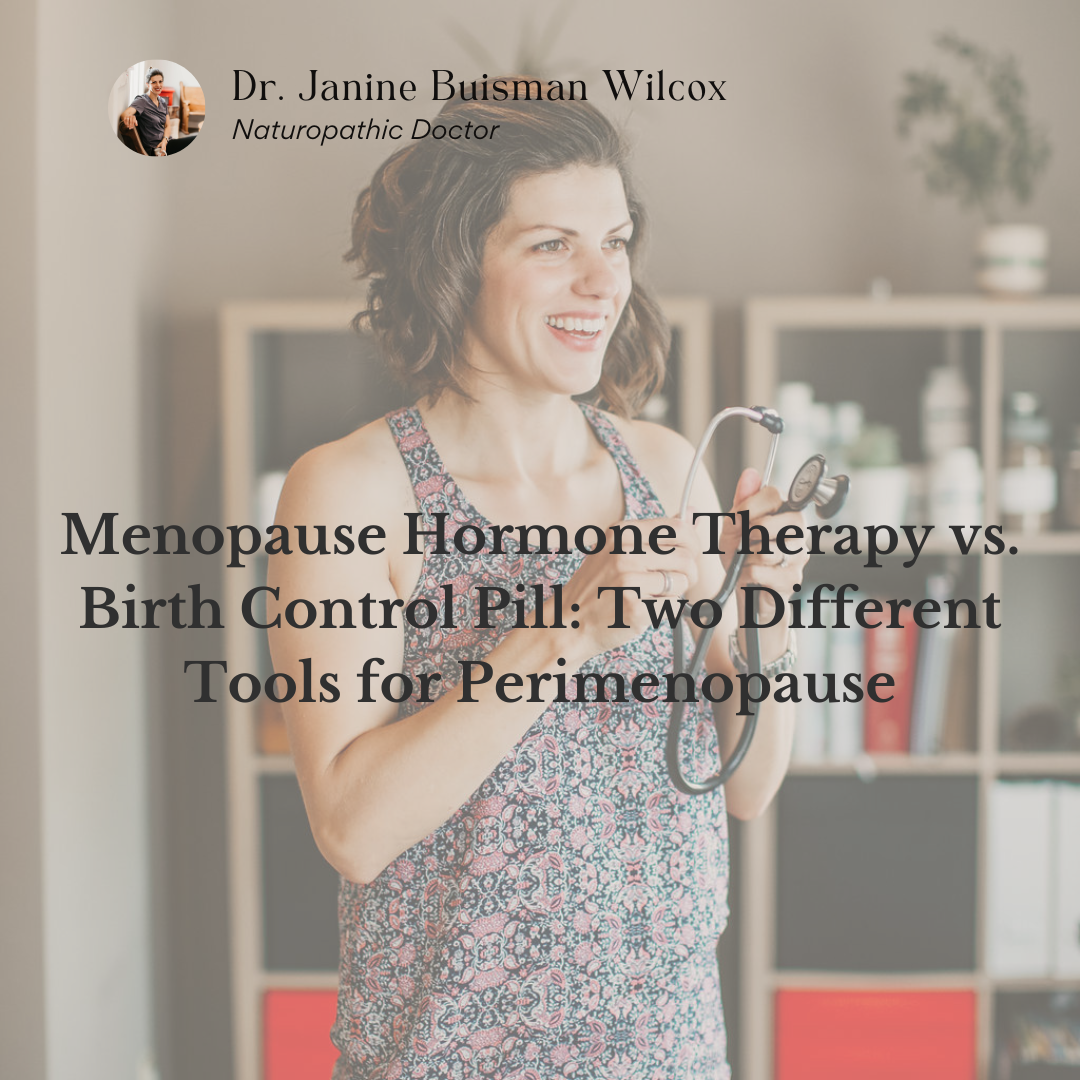
Both use hormones, both can help in perimenopause, but MHT and the pill are built for completely different jobs. Here's how to know which one (if either) fits what you're dealing with.
Read More
Both use hormones, both can help in perimenopause, but MHT and the pill are built for completely different jobs. Here's how to know which one (if either) fits what you're dealing with.
Read MoreThey're both hormonal, both prevent pregnancy, but a hormonal IUD and the pill work in completely different ways in your body. Here's what to know before choosing between them.
Read MoreIf you've dealt with PCOS, stubborn acne, weight retention, or a history of gestational or family diabetes, insulin resistance may be the missing piece. Here's what it is, how to test for it, and how to start reversing it.
Read MoreResearch supports several lifestyle factors that can meaningfully reduce breast cancer risk: 5+ daily servings of fruits and vegetables, plenty of fiber (every 5g/day increment is linked to a 9% lower mortality risk), unsaturated fats, 150+ minutes of weekly exercise, healthy weight, and no tobacco. Alcohol is worth a specific callout — any amount increases risk. And contrary to what you may have heard, soy and ground flaxseed are actually protective, not harmful. These factors are nuanced and won't look the same for everyone, so they're worth a conversation with your provider. [Last week's post on breast screening →]
Read MoreOntario quietly updated mammogram screening guidelines in 2024, women are now eligible from age 40, no referral needed. But that's not the only thing worth knowing. Your mammogram report also includes a breast density grade (A–D) that affects your screening protocol and health decisions. Here's what it means.
Read MoreHeavy menstrual bleeding is common, but it's not something you just have to live with. The first step is ruling out underlying causes like fibroids, polyps, or thyroid issues, and checking your iron levels. Iron deficiency from heavy bleeding can quietly affect your energy, mood, and overall health.
Read MoreVaginal and urinary changes during perimenopause and menopause are extremely common, yet often go unspoken. Genitourinary syndrome of menopause (GSM) can cause dryness, irritation, discomfort with intimacy, and urinary symptoms, affecting up to 100% of women, though only 14% discuss it with their provider.
Effective treatments exist: vaginal moisturizers hydrate and support tissue health, vaginal estrogen safely restores local estrogen and improves function, and lubricants can reduce friction during intimacy. These symptoms don’t have to be endured, talking with your healthcare provider is the first step toward relief.
Read MoreVaginal and urinary changes during perimenopause and menopause are extremely common, yet often go unspoken. Genitourinary syndrome of menopause (GSM) can cause dryness, irritation, discomfort with intimacy, and urinary symptoms, affecting up to 100% of women, though only 14% discuss it with their provider.
Effective treatments exist: vaginal moisturizers hydrate and support tissue health, vaginal estrogen safely restores local estrogen and improves function, and lubricants can reduce friction during intimacy. These symptoms don’t have to be endured, talking with your healthcare provider is the first step toward relief.
Read MoreI’m hosting a free online masterclass: Beyond Hormones: The 3 Hidden Drivers Behind Your Perimenopause Symptoms, happening March 23 at 7pm and March 24 at noon. If you’re navigating this stage of life — or know someone who is — I’d love for you to join us (or pass it along!).
In the session, we’ll talk about some important things I hope every woman remembers during perimenopause: your experience matters, your baseline health (nutrition, sleep, movement, stress) plays a huge role, and prevention for things like cardiovascular health and bone density is incredibly powerful.
If this perspective resonates with you, register here: www.ndguelph.ca/perimenopause — we’ll dive much deeper into the often-overlooked contributors to perimenopause symptoms.
Read MoreOne area of women’s health that’s getting much more attention recently is perimenopause and menopause care. While this increased awareness has helped many women better understand their bodies and treatment options, it’s also created a lot of confusion, fear, and “meno-washing” marketing.
The reality is that there’s much more to perimenopause symptoms than just hormones. That’s why I’m hosting a free one-hour online masterclass: Beyond Hormones: 3 Hidden Drivers Behind Your Perimenopause Symptoms, where we’ll explore what’s really happening and how to take a root-cause approach to support your body through this transition.
Read MoreIt’s been a long winter, and many people are feeling it. Low energy, low motivation, a little more burnout than usual. While we know brighter days are coming, you deserve support now, too.
My biggest tip? Plan for movement, and make it small. When mood dips, we don’t need a long workout. We need five easy, scheduled minutes. A quick walk, a short spin, a few stretches before your shower. Keep it short. Keep it simple. Put it in your day.
Tiny, consistent movement can be a powerful mood reset, especially when you need it most.
Read MoreUterine fibroids are very common, affecting up to 50% of women. While some people have no symptoms, others experience heavy bleeding, pelvic pressure, or fertility challenges, and many care plans involve monitoring growth or considering medical or surgical treatment when needed.
Two simple, often missed steps can help. Low vitamin D is linked to a higher risk of fibroids, and correcting a deficiency has been associated with stabilizing growth, reducing size, and lowering recurrence, testing is recommended in Canadian gynecology guidelines. Iron is also key, as heavy bleeding can lead to deficiency and worsen symptoms, and optimizing iron before procedures like myomectomy or uterine artery embolization can support better recovery.
Read MoreInformation is everywhere and it’s equal parts helpful and overwhelming. No matter what phase of life you’re in, the noise can make health goals feel confusing and heavy.
Here’s the real solution: you don’t need more information, you need a clear plan and the right support. Trust your body, lean on a solid health team, and step away from the internet rabbit holes. Strategy builds confidence, and confidence makes change sustainable.
Read MoreDiscussing naturopathic tips to help fight seasonal affective disorder (SAD) in 2025.
Read MoreDiscussing the nuanced conversation of black box warnings with estrogen and what this means for Canadian women.
Read MoreLearn about the phases of your menstrual cycle, what’s normal, what’s not normal, what to expect, and next steps to address your symptoms. Empower yourself with knowledge about your period and the menstrual cycle.
Read MoreLearn about the phases of your menstrual cycle, what’s normal, what’s not normal, what to expect, and next steps to address your symptoms. Empower yourself with knowledge about your period and the menstrual cycle.
Read MoreLearn about the phases of your menstrual cycle, what’s normal, what’s not normal, what to expect, and next steps to address your symptoms. Empower yourself with knowledge about your period and the menstrual cycle.
Read MoreLearn about the phases of your menstrual cycle, what’s normal, what’s not normal, what to expect, and next steps to address your symptoms. Empower yourself with knowledge about your period and the menstrual cycle.
Read MoreLearn about the phases of your menstrual cycle, what’s normal, what’s not normal, what to expect, and next steps to address your symptoms. Empower yourself with knowledge about your period and the menstrual cycle.
Read More